Top Popular Interior Styles in India
- ferviddesignstudio

- Feb 23
- 4 min read
India's rich cultural heritage and diverse traditions have shaped a unique approach to interior design. As someone deeply involved in the architectural and interior design industry, I have observed how various styles blend tradition with modernity to create spaces that are both luxurious and functional. This post explores the top popular interior styles in India, offering insights and practical recommendations for property owners and developers aiming to create distinctive, high-end environments.
Exploring Popular Interior Styles in India
India's interior design landscape is a vibrant mix of styles that reflect its history, climate, and cultural diversity. When selecting a style for a project, it is essential to consider the location, client preferences, and the intended use of the space. Here are some of the most sought-after styles:
1. Traditional Indian Style
Traditional Indian interiors are characterized by intricate craftsmanship, rich textures, and vibrant colors. This style often incorporates elements such as carved wooden furniture, brass accents, and handwoven textiles. The use of ethnic motifs and patterns is common, creating a warm and inviting atmosphere.
Key features:
Use of natural materials like wood, stone, and clay
Handcrafted furniture with detailed carvings
Bright colors such as reds, oranges, and golds
Decorative elements like jharokhas (ornate windows) and traditional lamps
Practical recommendation: To achieve an authentic traditional look, source local artisans for custom furniture and decor. Incorporate heritage textiles like Banarasi silk or Kanjeevaram saree fabric for upholstery and curtains.
2. Contemporary Style with Indian Influences
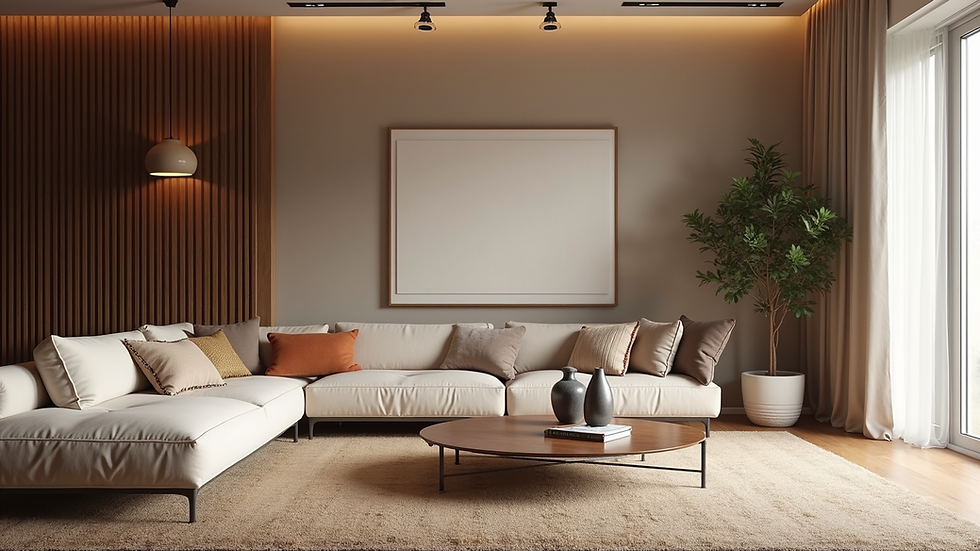
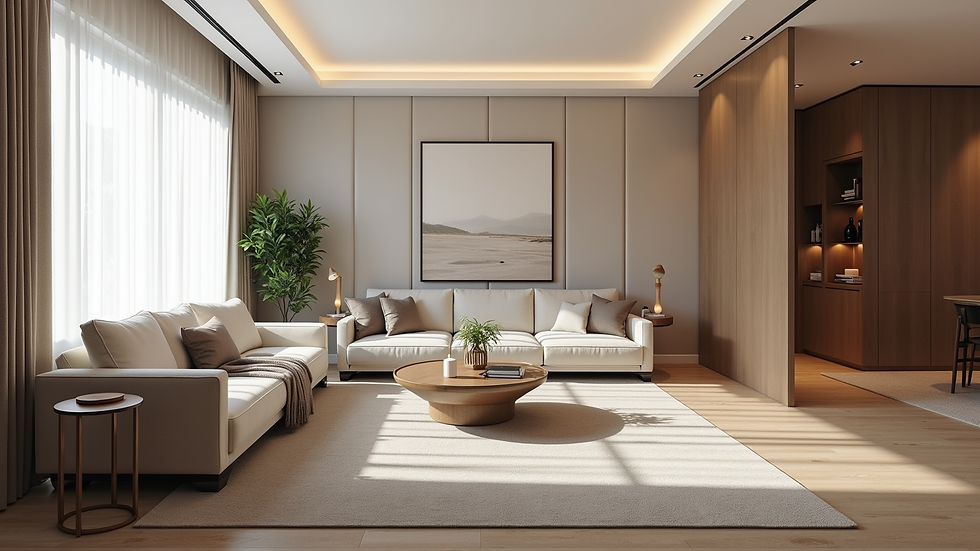
Contemporary interiors in India blend modern design principles with subtle traditional touches. This style emphasizes clean lines, minimalism, and functionality while incorporating Indian elements such as handcrafted accessories or ethnic art pieces.
Key features:
Neutral color palettes with occasional bold accents
Sleek furniture with simple forms
Use of natural light and open spaces
Integration of Indian art, pottery, or textiles as focal points
Practical recommendation: Use a neutral base for walls and flooring, then add Indian-inspired decor items like Madhubani paintings or terracotta vases to create a balanced look that appeals to modern sensibilities.
3. Colonial Style
The colonial style reflects the British influence on Indian architecture and interiors. It combines classic European elements with Indian craftsmanship, resulting in elegant and timeless spaces.
Key features:
Dark wooden furniture with polished finishes
High ceilings and large windows with shutters
Use of leather, cane, and rattan materials
Neutral and earthy color schemes
Practical recommendation: Incorporate vintage colonial furniture pieces or replicas. Use heavy drapes and Persian rugs to add warmth and texture. This style works well in heritage properties or homes with spacious layouts.
What is the Most Popular Interior Style?
Among the various options, the contemporary style with Indian influences has gained significant popularity in recent years. This style appeals to clients who desire a modern aesthetic without losing the cultural connection. It offers flexibility, allowing for personalization through art, textiles, and decor while maintaining a clean and sophisticated look.
Developers and property owners often prefer this style for high-end residential and commercial projects because it balances luxury with practicality. The use of sustainable materials and smart design solutions also aligns with current trends in architecture and interior design.
Incorporating Sustainable Elements in Indian Interior Design
Sustainability is becoming a crucial consideration in luxury interior design projects. Indian design offers many opportunities to integrate eco-friendly practices without compromising on style or comfort.
Strategies for sustainable interiors:
Use locally sourced materials such as bamboo, jute, and reclaimed wood
Opt for energy-efficient lighting and appliances
Incorporate natural ventilation and daylighting
Choose non-toxic paints and finishes
Employ traditional craftsmanship to reduce industrial waste
Practical recommendation: Collaborate with local artisans and suppliers to create bespoke pieces that reflect Indian heritage while supporting sustainable practices. This approach enhances the uniqueness of the project and appeals to environmentally conscious clients.

Designing for Luxury and Functionality
High-end projects demand a careful balance between aesthetics and usability. When designing interiors for luxury properties in India, consider the following:
Space planning: Ensure smooth flow and adequate space for movement. Use zoning to separate public and private areas.
Material selection: Choose premium materials that offer durability and elegance, such as marble, teakwood, and silk.
Lighting: Combine ambient, task, and accent lighting to create mood and highlight architectural features.
Technology integration: Incorporate smart home systems for lighting, security, and climate control.
Customization: Tailor furniture and decor to client preferences, reflecting their lifestyle and cultural background.
By focusing on these aspects, you can create interiors that are not only visually stunning but also comfortable and practical for everyday living.
Final Thoughts on Indian Interior Design Styles
India's interior design scene is a rich tapestry of styles that cater to diverse tastes and requirements. Whether you prefer the opulence of traditional designs, the sleekness of contemporary interiors, or the charm of colonial aesthetics, there is a style to suit every high-end project.
For property owners and developers seeking to make a mark in Bengaluru and beyond, understanding these popular interior styles is essential. By combining cultural authenticity with modern luxury and sustainability, you can create spaces that stand out and satisfy discerning clients.
For more detailed insights and tailored solutions, consider exploring interior design styles that resonate with your vision and project goals.


Comments