Innovative Hospitality Design Concepts for India: Elevating Hotel Interiors
- ferviddesignstudio

- Jan 19
- 4 min read
India's hospitality sector is evolving rapidly, with discerning guests expecting more than just comfort. They seek immersive experiences that reflect culture, luxury, and innovation. As a property owner or developer, you must embrace innovative hospitality design concepts to create spaces that captivate and inspire. In this article, I will share methodical and practical insights into designing hotel interiors that stand out in India’s competitive market.
Embracing Local Culture in Hospitality Design Concepts
Incorporating local culture into your hotel interiors is not merely a trend but a strategic approach to create authentic experiences. Indian heritage is rich and diverse, offering endless inspiration for design elements.
Use Traditional Materials: Incorporate materials like sandstone, teakwood, and brass, which are native to India. These materials add warmth and authenticity.
Showcase Regional Art: Display handcrafted textiles, paintings, or sculptures from local artisans. For example, Madhubani paintings in Bihar-themed hotels or Rajasthani mirror work in desert resorts.
Colour Palette Inspired by Nature: Draw from India’s vibrant landscapes. Use earthy tones like terracotta, mustard yellow, and deep greens to evoke a sense of place.
Architectural Elements: Integrate jharokhas (ornate windows), jaali screens, and courtyards to reflect traditional Indian architecture while maintaining modern functionality.
This approach not only enhances guest experience but also supports local craftsmanship, creating a sustainable design cycle.

Key Hospitality Design Concepts for Luxury and Functionality
Balancing luxury with functionality is essential in high-end hotel design. Guests expect seamless comfort combined with aesthetic appeal. Here are some core concepts to consider:
Spatial Planning
Efficient use of space ensures comfort and flow. Design open layouts for public areas like lobbies and lounges to encourage social interaction. Private spaces such as rooms and suites should offer tranquility and privacy.
Lighting Design
Use layered lighting to create ambiance. Combine natural light with warm artificial lighting. Incorporate statement fixtures like chandeliers or pendant lights that reflect Indian artistry.
Furniture and Fixtures
Choose bespoke furniture that complements the overall theme. Opt for ergonomic designs with luxurious fabrics such as silk or velvet. Fixtures should blend aesthetics with durability.
Technology Integration
Incorporate smart room controls, keyless entry, and high-speed internet discreetly. Technology should enhance convenience without disrupting the design harmony.
Sustainability
Use eco-friendly materials and energy-efficient systems. Consider rainwater harvesting, solar panels, and waste management to align with global sustainability goals.
By applying these hospitality design concepts, you create spaces that are both elegant and practical, appealing to the sophisticated Indian traveller.
What is the 70/30 Rule in Interior Design?
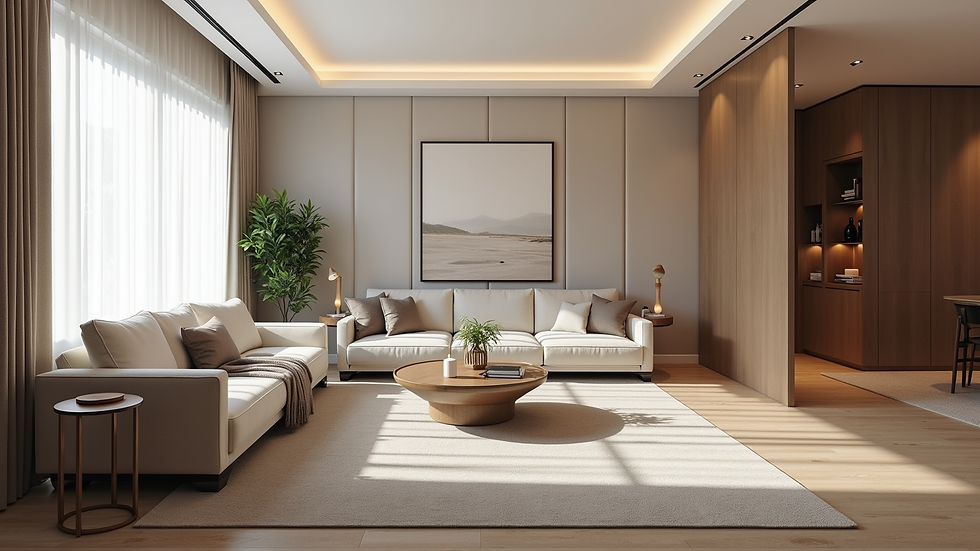
The 70/30 rule is a guiding principle that helps maintain balance and harmony in interior spaces. It suggests that 70 percent of the design should be neutral or subdued tones, while 30 percent should be bold or accent elements.
70 Percent Base: This includes walls, floors, and large furniture pieces. Neutral colours like beige, cream, or soft greys create a calm and timeless backdrop.
30 Percent Accent: Use vibrant colours, patterns, or textures in cushions, artwork, or decorative items. This adds personality and visual interest without overwhelming the space.
Applying this rule in hotel interiors ensures that the environment feels inviting and sophisticated. For example, a lobby with neutral walls and flooring can be enlivened with colourful Indian textiles or a striking art installation.
This methodical approach helps you avoid design clutter and maintain a cohesive aesthetic that appeals to a luxury clientele.
Incorporating Modern Minimalism with Indian Elements
Modern minimalism is gaining popularity in India’s luxury hospitality sector. It focuses on simplicity, clean lines, and uncluttered spaces. However, minimalism does not mean sacrificing cultural identity.
Selective Ornamentation: Use minimalistic furniture but add Indian motifs subtly through cushions, rugs, or wall art.
Natural Materials: Combine sleek modern materials like glass and steel with traditional Indian woods and stones.
Neutral Base with Cultural Accents: Follow the 70/30 rule to balance minimalism with cultural vibrancy.
Functional Decor: Choose decor items that serve a purpose, such as handcrafted lamps or storage chests.
This fusion creates a sophisticated environment that appeals to international and domestic guests alike, offering a fresh take on Indian luxury.

Practical Steps to Implement Innovative Hotel Interior Design Ideas
To successfully implement innovative hotel interior design ideas, follow these structured steps:
Conduct Market Research
Understand your target guests’ preferences and expectations. Analyse competitors and identify gaps in the market.
Develop a Design Brief
Define your vision, budget, and timeline. Specify the desired style, materials, and functional requirements.
Collaborate with Experts
Engage architects, interior designers, and local artisans. Their expertise ensures design feasibility and cultural authenticity.
Create Detailed Plans and Mood Boards
Visualise the concept through sketches, 3D models, and sample materials. This helps in making informed decisions.
Source Quality Materials
Prioritise sustainable and locally sourced materials to reduce costs and environmental impact.
Oversee Construction and Installation
Maintain regular communication with contractors to ensure adherence to design specifications and timelines.
Incorporate Feedback and Fine-tune
After initial completion, gather guest feedback and make necessary adjustments to enhance comfort and aesthetics.
By following these steps, you can transform your property into a landmark of innovative hospitality design.
Elevate Your Property with Thoughtful Design Choices
Innovative hotel interior design ideas are essential to differentiate your property in India’s competitive hospitality market. By embracing local culture, applying proven design principles like the 70/30 rule, and blending modern minimalism with traditional elements, you create spaces that resonate with luxury and authenticity.
Remember to approach design methodically, balancing aesthetics with functionality and sustainability. This strategy will not only attract discerning guests but also position your property as a leader in high-end hospitality.
For more inspiration and expert guidance, explore hotel interior design ideas that align with your vision and business goals.
Your journey to creating iconic hotel interiors begins with a clear plan and a commitment to excellence.


Comments